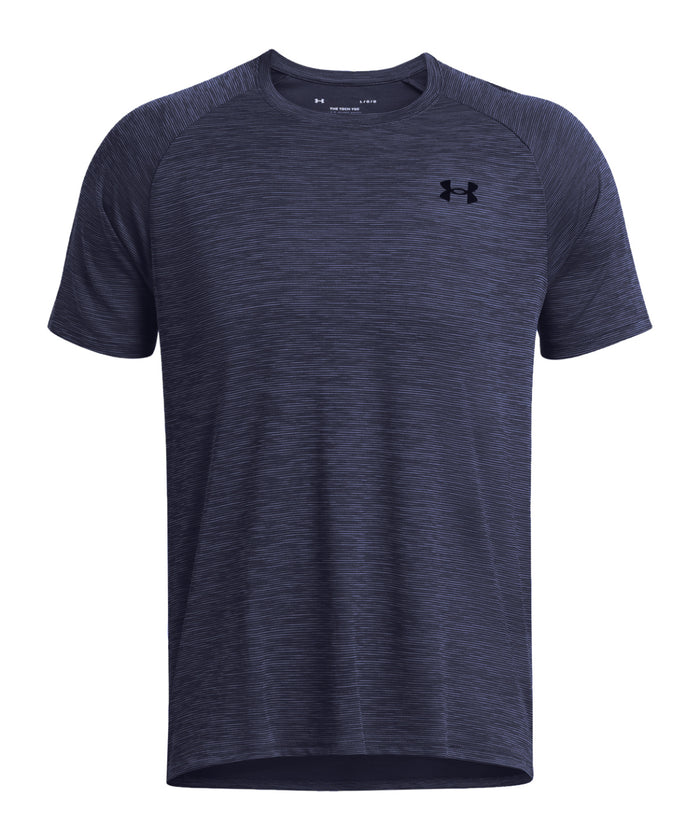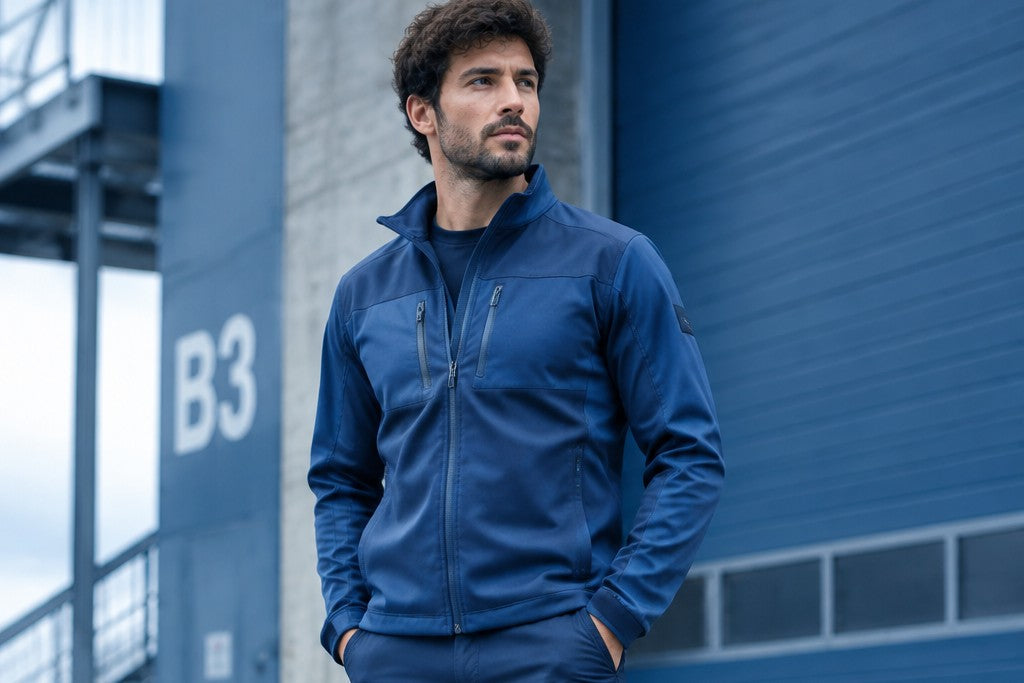
The mistake most firms make with winter uniform is buying one heavy coat. It is too hot in the van, too bulky under a harness, and it comes off the moment the work starts, taking the logo with it. A crew that is comfortable from seven in the morning to four in the afternoon is wearing layers.
Layer one: what they already wear
The polo, T-shirt or hoodie from the summer uniform stays. It is the layer left when the heating is on or the work is heavy, so it should carry the logo too.
Layer two: fleece or softshell
This is the layer that does the most work. A fleece is warm, cheap and comfortable, and it embroiders beautifully, but wind goes through it. A softshell blocks wind and shrugs off a shower, and looks smart enough for a customer's front door. Indoor and warehouse teams tend to choose fleece; anyone outdoors or customer-facing is better in a softshell.
Layer three: jacket or bodywarmer
A bodywarmer keeps the core warm and leaves the arms free, which is why drivers, fitters and warehouse staff live in them. A waterproof or padded jacket is for people who are outside whatever the weather. If the site requires hi-vis, this is the layer that has to be compliant; our guide to hi-vis classes covers what to look for.
The hat
A beanie costs little and gets worn by everybody. An embroidered beanie is also the best-value logo in workwear, because it sits at eye level.
Where the logo goes
- Left chest on every layer, so the brand is visible whichever layer is on top.
- Large on the back of the outermost layer, if you want to be seen across a car park or a site.
- Embroidery for fleece, softshell and beanies; print for large back logos and for hi-vis.
A logo is £3.95 a garment, wherever it goes, and everything is done in our own workshop in Lowestoft. The product page shows the logo at its real size on the garment before you order.
Buying it
Size outerwear to go over the layers beneath it, and read how to size a crew before ordering, because branded garments cannot be returned for fit. For ten or twelve of the same thing, a pack includes the logo in the price: there is a ProRTX softshell pack of ten and a Regatta bodywarmer pack of twelve. Baskets over £100 get 10% off automatically, and UK delivery is £6 or free over £300.
Where to look
5 collections


More news

Goalkeeper Kit: What a Keeper Needs and Why It Is Ordered Separately
The keeper is the one player who cannot wear the club strip. What goes in a goalkeeper's kit bag, how to pick the colours, and what a name, number and crest cost.

Keeping Junior Players Warm and Dry on the Touchline
Winter football is mostly standing about. The layers a youth team needs between November and March, and how to stop twelve identical coats going home with the wrong child.
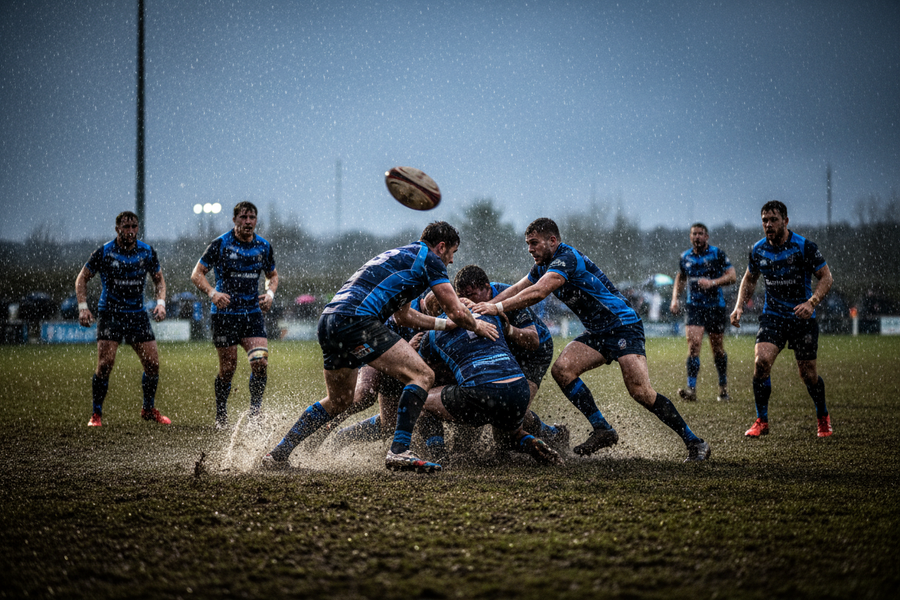
Rugby Kit for Clubs and Schools: Shorts, Shirts and the Right Ball
Rugby kit takes more punishment than any other strip. What to look for in shorts and shirts, which ball size each age group plays with, and how to number a squad.

Running Club and Race Day Kit: Vests, Tees and Layers
What a running club, a charity team or a race crew needs: a vest or tee that wicks, a layer for the start line, and a name on the front that people can read.

Basketball Kit: Vests, Shorts and Numbers for a Full Roster
Basketball kit is its own shape: a vest and long, loose shorts. How the sets work, where the numbers go, and how to order ten or twelve players in one basket.
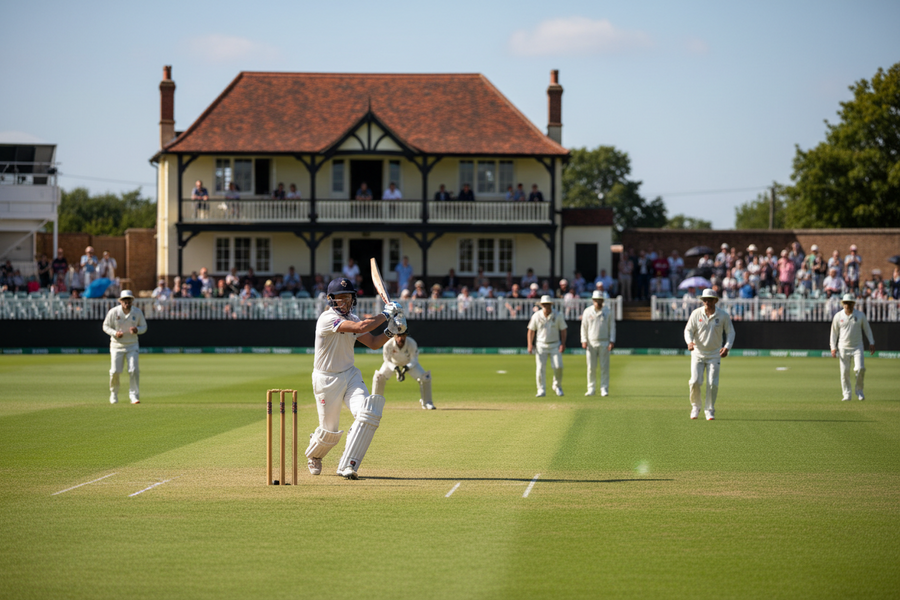
Cricket Club Kit: Shirts, Jumpers and Trousers for the Season
Order in the winter and the kit is ready for nets. What a club side wears, where the crest and sponsor go, and how to dress colts and seniors alike.